The Challenge
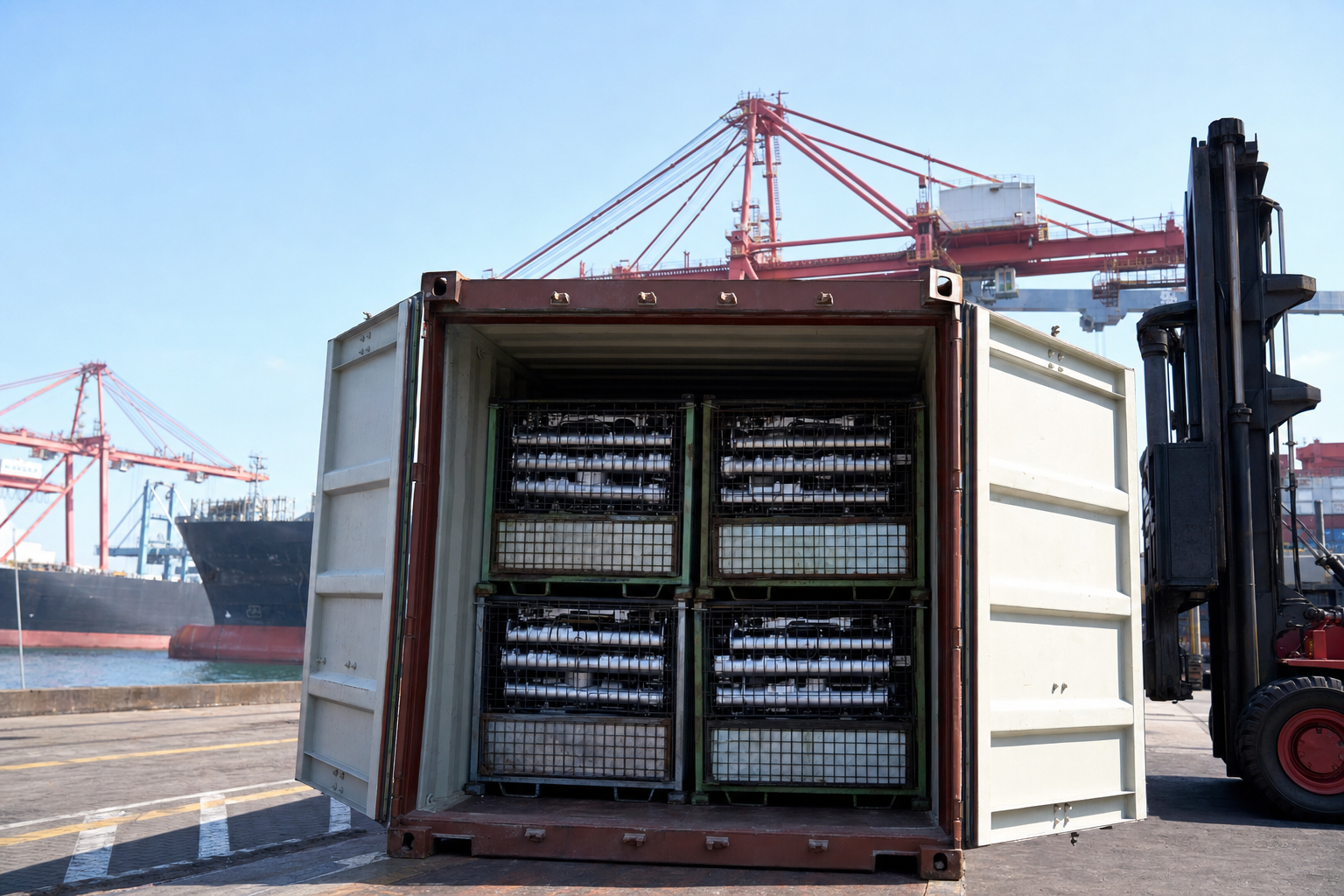
An automotive parts distributor based in Melbourne's south-east needed to import a full 40ft High Cube container of precision-machined engine components and suspension parts from a manufacturing facility in Shanghai. The cargo included a mix of heavy steel components, aluminium castings, and boxed small-parts kits — totalling approximately 22,400 kg gross weight across 67.5 CBM of container space.
The primary challenges were threefold. First, the cargo included items falling under multiple tariff classifications (HS codes spanning chapters 84, 87, and 73), which meant customs documentation needed careful preparation to avoid duty miscalculation or border holds. Second, several items required compliance declarations under Australia's Motor Vehicle Standards Act, and supporting documentation from the manufacturer needed to be verified before the container departed Shanghai. Third, the delivery location was a narrow industrial lot with restricted access for large trucks, requiring a specific vehicle type with a rear-mounted crane for unloading.
The client had previously experienced a three-week delay on a similar shipment with another provider due to incorrect tariff codes triggering an ABF audit. They came to us specifically seeking a provider who could get the customs side right the first time and coordinate the full door-to-door logistics chain without handing off to third parties they couldn't communicate with directly.
Our Approach
We started by conducting a thorough review of the supplier's packing list and commercial invoice, cross-referencing each line item against the Australian Customs Tariff Schedule. Our team identified three items where the supplier had used overly broad HS codes that would likely trigger scrutiny from the Australian Border Force. We worked directly with the Shanghai factory's export department to obtain corrected specifications and supporting technical data sheets, which allowed us to assign precise 8-digit tariff codes before the cargo even left origin.
For the Motor Vehicle Standards compliance, we coordinated with the client's quality team to compile the necessary conformity documentation, including test certificates and component identification numbers. These were lodged with the relevant authority well ahead of the vessel's estimated arrival date, ensuring no clearance delays on arrival.
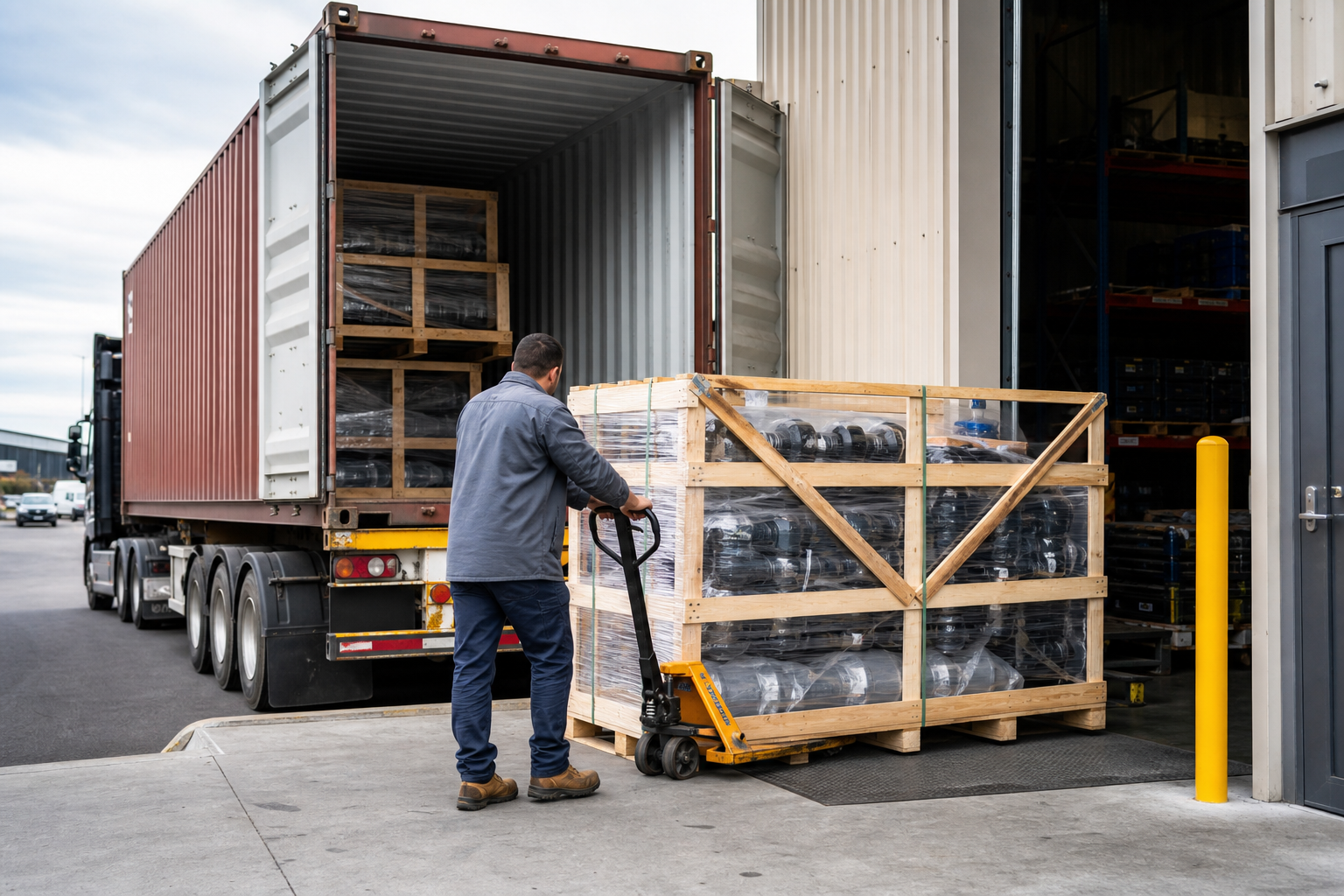
On the transport side, we surveyed the delivery site in person ahead of booking the cartage. The site had a narrow driveway (under 4 metres wide) with overhead powerlines, and a standard skel trailer with a 40ft container simply would not fit. We arranged a side-loader truck that could position the container at the property boundary, combined with a HIAB crane truck to transfer pallets from the container into the warehouse bay. This two-stage delivery approach was priced and confirmed before the cargo departed Shanghai, so there were no last-minute surprises.
We also pre-lodged the import declaration via ICS five days before vessel arrival, so that when the container was discharged at Melbourne's Webb Dock, it cleared customs automatically and moved to the container park for collection within one business day of landing.
The Solution
The end-to-end solution comprised the following coordinated steps:
- Pre-shipment tariff audit and HS code correction at origin
- FCL booking on a direct Shanghai – Melbourne service (COSCO vessel, 18-day transit)
- Export customs clearance at Shanghai port managed by our partner agent
- Pre-lodged import declaration via ICS with all supporting documents attached
- Motor Vehicle Standards compliance paperwork submitted to the Department of Infrastructure
- Port cartage from Webb Dock to a container yard in Dandenong South
- Two-stage delivery: side-loader positioning + HIAB crane unloading at final destination
- Photographic proof of delivery and signed POD returned to client same day
The container was on the water for 18 days, cleared customs within 6 hours of vessel discharge, and was delivered to the client's warehouse within 48 hours of arriving in Melbourne. Total door-to-door transit from Shanghai factory gate to Melbourne warehouse was 23 days.
Results
By getting the customs classification correct from the start, we eliminated the risk of a border hold that had cost the client over $4,200 in storage and demurrage charges on their previous shipment. The overall shipping and delivery cost came in 15% below what the client had paid their previous forwarder for an equivalent shipment, primarily due to our negotiated carrier rates and the elimination of unnecessary container storage days at port.
The client has since moved all their regular imports to us and now ships approximately one 40ft container per month on the same trade lane. Each subsequent shipment has cleared customs within the same 6-hour window, and we've maintained a 100% on-time delivery record for this account.