Why Australian Biosecurity Matters to Importers
Australia's geographic isolation has allowed it to remain free of many pests and diseases found elsewhere in the world. To protect this status, the Department of Agriculture, Fisheries and Forestry (DAFF) enforces one of the most rigorous biosecurity regimes globally. For importers shipping goods from Asia, this means every shipment is assessed for biosecurity risk — and non-compliance can result in goods being held, treated, re-exported, or destroyed at the importer's cost.
At LEVAO INTERNATIONAL, we manage biosecurity compliance on every import shipment we handle. Understanding the system helps you prepare your supply chain, avoid unexpected costs, and keep your goods moving through Australian ports without disruption.
The BICON System: Your Starting Point
BICON (Biosecurity Import Conditions) is DAFF's online database that specifies the exact import conditions for every type of goods entering Australia. Before importing anything, you should check BICON to understand what documentation, treatments, and permits your specific product requires.
Key elements you'll find in BICON include:
- Import permits — Some goods (live plants, seeds, biologicals, certain foods) require a permit issued before shipment.
- Treatment requirements — Timber packaging, for example, must be ISPM-15 treated and marked. Some food products require fumigation or heat treatment.
- Documentation requirements — Phytosanitary certificates, health certificates, manufacturer's declarations, or treatment certificates from the country of origin.
- Inspection intensity — DAFF assigns inspection rates based on commodity risk profiles and importer compliance history.
Checking BICON early — ideally before you place an order with your supplier — prevents nasty surprises when your container arrives in Melbourne.
Common Biosecurity Risks from Asia
Shipments from Asian countries frequently encounter biosecurity scrutiny in these areas:
- Timber packaging (pallets, crates, dunnage) — Must comply with ISPM-15 standards. Non-compliant wood packaging is the single most common reason for biosecurity holds on commercial cargo.
- Contamination on goods or containers — Soil, seeds, insect matter, or plant debris on machinery, equipment, or container floors triggers mandatory inspection and treatment.
- Food and plant products — Dried foods, spices, teas, herbal products, and anything derived from plants or animals has specific BICON conditions.
- Live organisms and biologicals — Probiotics, cultures, biological specimens require import permits and may need quarantine holding.
What Happens When Your Container Is Selected for Inspection
DAFF uses a risk-based profiling system to determine which containers get inspected. If your shipment is selected, here's the typical process:
Document Assessment: DAFF reviews your import declaration, commercial invoice, packing list, and any required certificates. If documentation is incomplete, your goods won't be released until it's rectified.
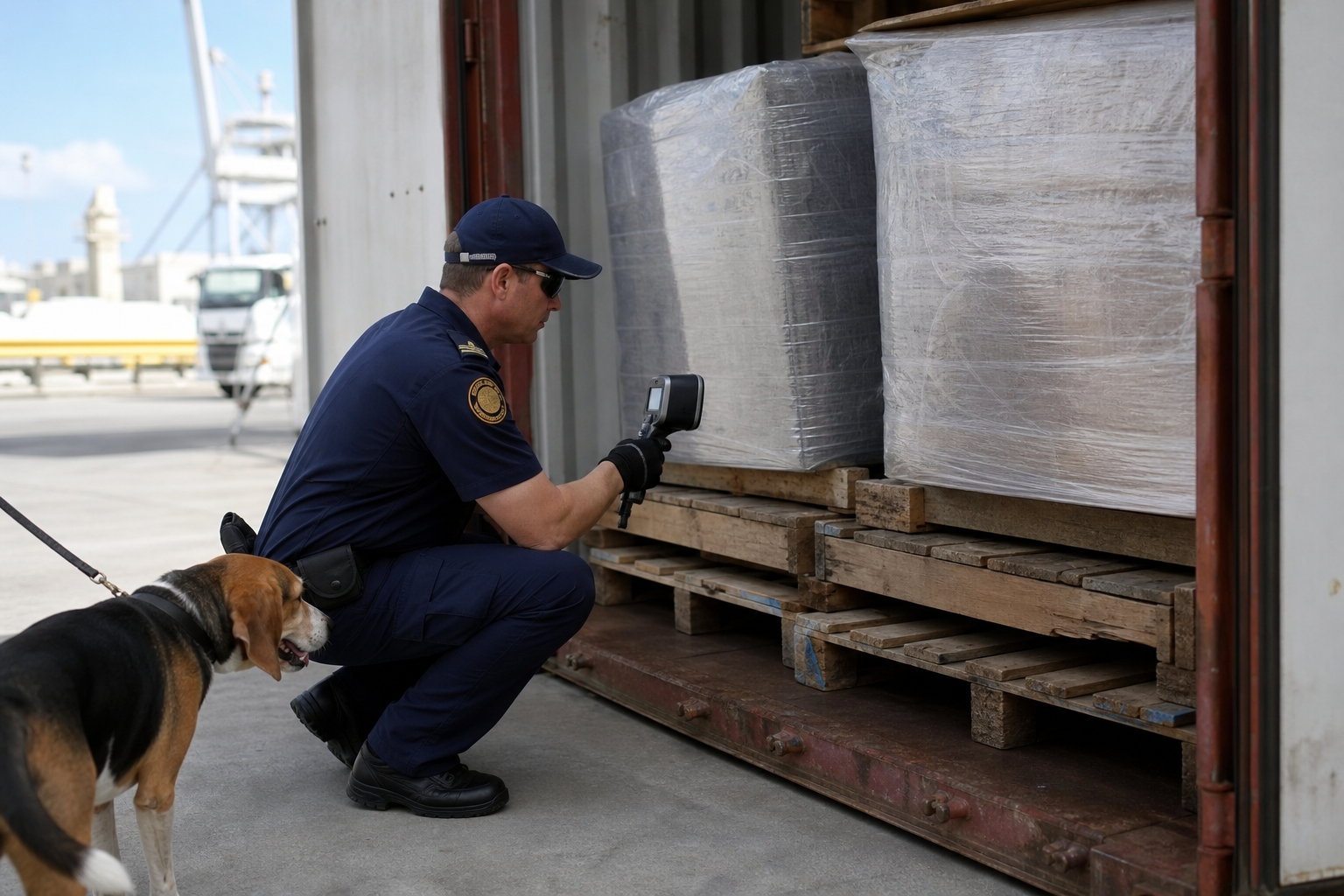
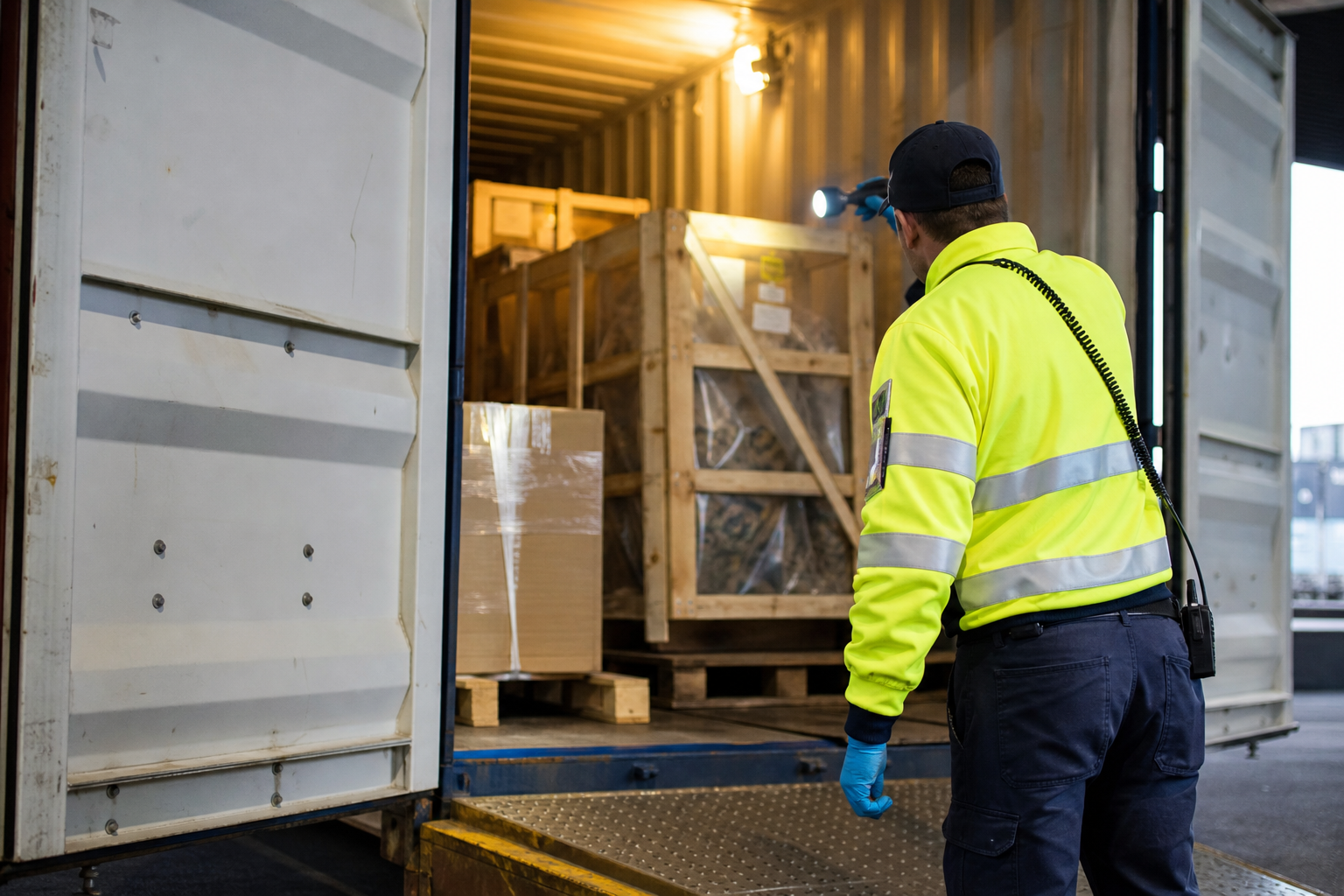
Physical Inspection: A DAFF officer may attend the container at a Quarantine Approved Premises (QAP) to inspect the goods, packaging, and container for biosecurity material. This incurs unpacking and repacking costs, plus the QAP facility fee.
Biosecurity Direction: If issues are found, DAFF may issue a direction requiring treatment (fumigation, heat treatment), re-export, or destruction. The importer bears all costs. Treatment delays can range from 2-7 days depending on the method required and facility availability.
How to Minimise Biosecurity Risk
Proactive management dramatically reduces your exposure to biosecurity delays and costs. Here are practical steps:
- Specify ISPM-15 packaging — Instruct your supplier to use only treated and marked timber packaging. Better yet, request plastic pallets or metal frames where possible.
- Request cleanliness at origin — Ask suppliers to ensure containers and goods are free of soil, insects, seeds, and debris before loading. Provide a cleanliness checklist.
- Obtain certificates at origin — Phytosanitary certificates, fumigation certificates, and health certificates must be issued in the country of export before the goods ship.
- Build a compliance history — Importers with consistent clean inspection results get reduced inspection rates over time. One failure resets this benefit.
- Use an experienced freight forwarder — A forwarder familiar with DAFF requirements will flag issues before shipment, not after arrival.
The Cost of Getting It Wrong
Biosecurity non-compliance is expensive. A single container held for inspection and treatment can incur $2,000-$5,000 in additional costs including QAP facility fees, unpacking/repacking labour, treatment charges, storage during the hold period, and delayed delivery to your warehouse. In worst-case scenarios where goods must be re-exported or destroyed, losses can be far greater.
Beyond direct costs, biosecurity holds disrupt your supply chain timing, disappoint your customers, and consume management time. Prevention is always cheaper than cure.
How LEVAO INTERNATIONAL Manages Biosecurity Compliance
We take a proactive approach to biosecurity on every shipment we manage. Before goods leave Asia, we verify packaging compliance, review documentation against BICON requirements, and liaise with suppliers to rectify any gaps. On arrival, we pre-lodge import declarations accurately, respond promptly to any DAFF queries, and coordinate inspection logistics if your shipment is selected.
Our familiarity with DAFF processes, QAP facilities in Melbourne, and common compliance pitfalls for goods from China, Vietnam, Thailand, and other Asian origins means fewer surprises and faster clearance for your imports.