Why Cold Chain Matters in Australia-Asia Trade
Temperature-sensitive goods — from frozen seafood and dairy products to pharmaceuticals and cosmetics — require unbroken cold chain management throughout their journey. A single temperature excursion during transit can render an entire shipment worthless, create food safety risks, or void pharmaceutical product efficacy.
Australia imports significant volumes of temperature-controlled goods from Asia, including frozen seafood from Vietnam and Thailand, processed foods from China and Japan, and pharmaceutical ingredients from multiple Asian origins. The combination of long ocean transit times (typically 12-25 days from Asian ports to Melbourne) and Australia's strict food safety and biosecurity standards makes cold chain management particularly critical on these routes.
At LEVAO INTERNATIONAL, we coordinate temperature-controlled shipments with specialised equipment, monitoring systems, and compliance documentation to ensure your goods arrive in perfect condition.
Reefer Containers: The Foundation of Ocean Cold Chain
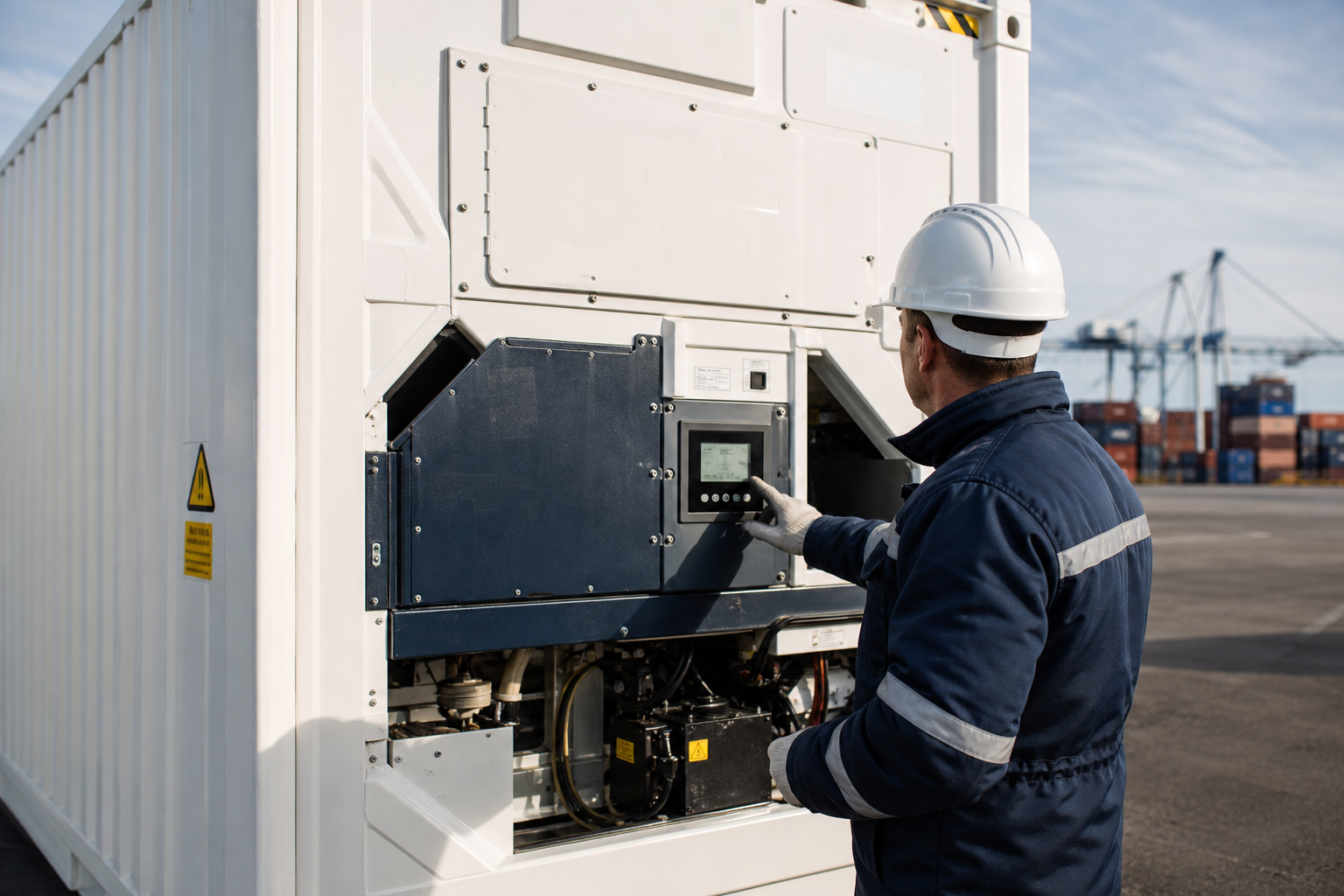
Refrigerated containers (reefers) are the workhorses of international cold chain logistics. These self-contained units have built-in refrigeration systems powered by the vessel's electrical supply during ocean transit and by gensets or shore power when on land.
Key specifications to understand:
- Temperature range — Modern reefers can maintain temperatures from -30°C to +30°C, covering everything from deep-frozen goods to controlled ambient products.
- Atmosphere control — Some reefers offer Controlled Atmosphere (CA) settings that regulate oxygen and CO2 levels, extending shelf life for fresh produce and flowers.
- Ventilation settings — Fresh air exchange rates can be adjusted for products that respire (fruits, vegetables) versus those that need sealed conditions (frozen goods).
- Container sizes — Available in 20-foot and 40-foot high-cube configurations. The 40HC reefer is most common for commercial volumes, offering approximately 60 cubic metres of usable space.
When booking a reefer, you must specify the exact set temperature, ventilation requirements, and any atmosphere control settings. Incorrect specifications at booking stage can compromise your entire cargo.
Temperature Monitoring and Documentation
Continuous temperature monitoring is essential for cold chain compliance and insurance purposes. Standard approaches include:
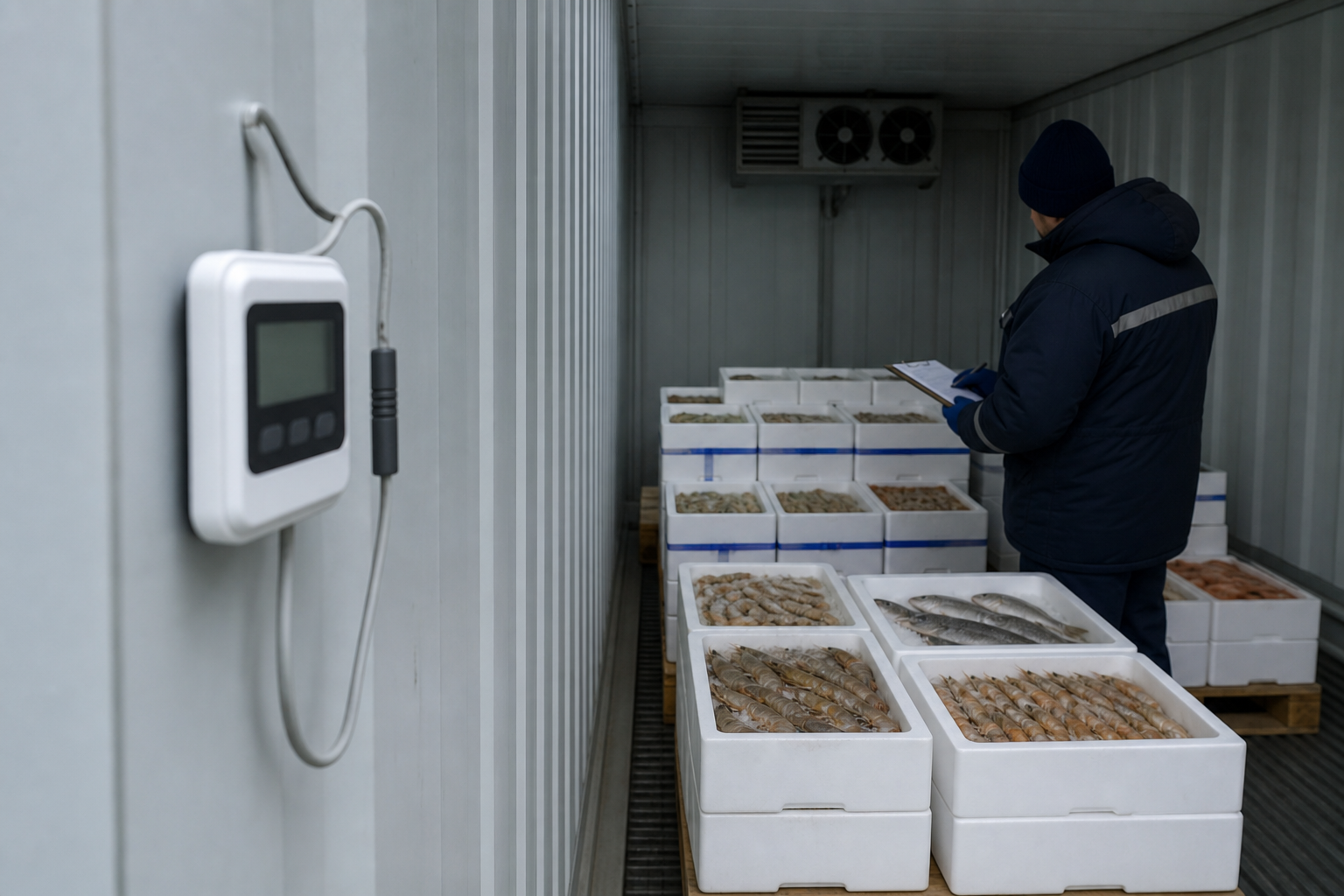
- Container unit data loggers — Built into the reefer's refrigeration system, recording temperature at regular intervals throughout the voyage. The download at destination provides a complete thermal history.
- Independent data loggers — Battery-powered devices placed inside the cargo (among the goods, not on the wall) for independent verification. Critical for insurance claims and quality disputes.
- Real-time monitoring (IoT) — GPS-enabled sensors that transmit temperature data via satellite during ocean transit, allowing live visibility and alerts if temperatures deviate from the set point.
For Australian imports, the temperature record from the container download is frequently requested by DAFF during biosecurity inspection of food products. Having clean, complete records speeds clearance.
Loading Best Practices for Reefer Cargo
How goods are loaded into a reefer container directly impacts temperature performance. Key principles:
Pre-cooling: The container must be pre-cooled to the set temperature before loading begins. Reefer units are designed to maintain temperature, not pull down warm cargo. Goods should already be at the correct temperature before entering the container.
Airflow management: Cargo must be stacked to allow refrigerated air to circulate around all surfaces. T-bar flooring in reefers creates channels for bottom airflow. Never block the air delivery or return air paths. Leave clearance from walls, ceiling, and doors.
Loading line: Never load above the red load line marked inside the container. Cargo above this line blocks the return air path and causes temperature inconsistencies.
Mixed cargo risks: Never mix products with different temperature requirements in one reefer. Even a 2°C difference in optimal storage temperature can cause problems for one product or the other over a multi-week voyage.
Australian Regulatory Requirements
Temperature-controlled food imports into Australia face additional regulatory scrutiny:
- DAFF biosecurity — Food products require import permits, health certificates from the country of origin, and may be subject to inspection. Temperature records demonstrate compliance with cold chain requirements.
- Food Standards Australia New Zealand (FSANZ) — Imported food must comply with the Australia New Zealand Food Standards Code, including labelling, composition, and temperature control requirements.
- Imported Food Inspection Scheme (IFIS) — Certain food categories are subject to mandatory inspection and testing on arrival. Failing inspection can result in destruction or re-export of the consignment.
- State food safety regulations — Victoria's food safety framework requires temperature-controlled transport from port to final delivery destination, maintaining the cold chain beyond customs clearance.
Air Freight for Temperature-Sensitive Goods
When transit time is critical or cargo volumes are small, air freight offers an alternative for temperature-sensitive goods. Airlines provide temperature-controlled holding facilities at origin and destination airports, and some offer active temperature containers (envirotainers) for the flight itself.
For pharmaceuticals and high-value biologicals, air freight is often the only viable option due to the shorter transit time (2-5 days versus 12-25 days by sea) and tighter temperature control. However, air freight costs are significantly higher — typically 5-8 times the cost of ocean reefer per kilogram — so it's generally reserved for high-value, low-volume, or urgent shipments.
LEVAO coordinates with airlines serving the Melbourne-Asia corridor to ensure cold chain handoffs at each point — from shipper to airport, during ground handling, in-flight, at destination airport, and final delivery to your cold storage facility.
Working with LEVAO on Cold Chain Shipments
Cold chain logistics requires careful coordination across multiple parties. We manage the end-to-end process: confirming reefer availability and specifications with the shipping line, liaising with your supplier on loading procedures and pre-cooling, arranging temperature monitoring equipment, coordinating with DAFF for biosecurity clearance, and organising refrigerated transport from port to your cold storage facility in Melbourne.
If you're importing temperature-sensitive goods from Asia and need a freight partner who understands the technical and regulatory requirements, get in touch. We'll design a cold chain solution that protects your product and meets Australian compliance standards.