The Annual Freight Crunch
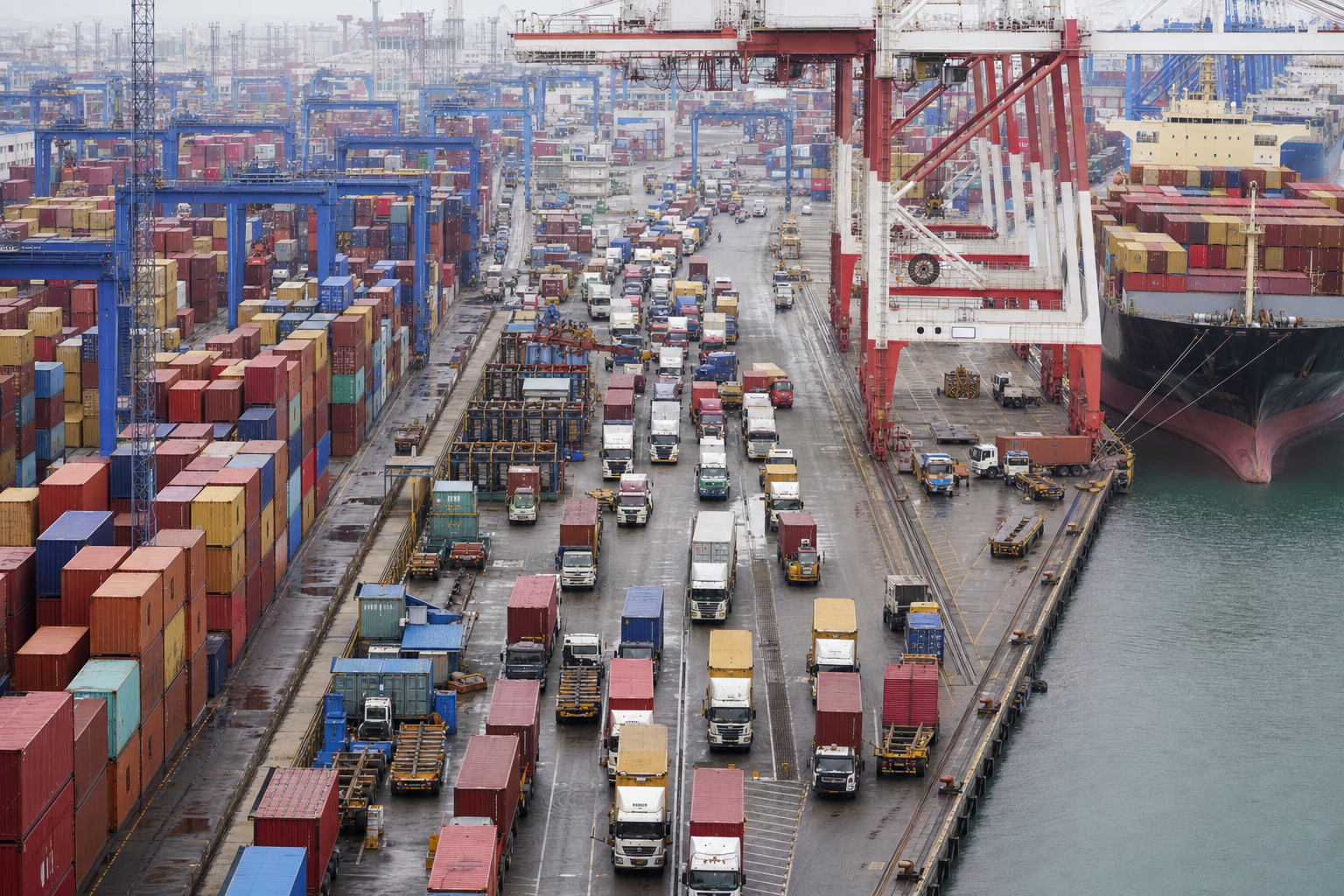
Every year, the weeks leading up to Chinese New Year (CNY) create the most intense pressure on Asia-Australia freight lanes. Factories rush to complete orders before the extended holiday shutdown — typically 2-4 weeks — while importers scramble to secure stock before supply lines go quiet. The result is a predictable surge in demand for both ocean and air freight that pushes rates up, fills vessels to capacity, and causes widespread delays.
For Australian importers sourcing from China, Vietnam, and other Asian countries that observe Lunar New Year, planning ahead is not optional — it's essential for maintaining stock levels and controlling costs. At LEVAO INTERNATIONAL, we start advising clients on CNY planning 3-4 months before the holiday. Here's what you need to know.
Understanding the Timeline
Chinese New Year falls between late January and mid-February each year (the exact date shifts annually based on the lunar calendar). The disruption timeline typically follows this pattern:
- 8-10 weeks before CNY: Freight rates begin rising as demand increases. Booking confirmations get harder to secure on popular services. This is your last comfortable window for standard-rate bookings.
- 4-6 weeks before CNY: Peak season surcharges (PSS) are imposed by most carriers. Vessel space is heavily allocated. Rolled bookings (where your container misses its planned vessel) become common.
- 2-3 weeks before CNY: Factories begin winding down production. Last-minute orders face extreme freight pressure. Air freight rates spike as importers pay premium to beat the shutdown.
- CNY week (and 1-2 weeks after): Most Chinese factories are closed. Ports operate with skeleton staff. No new cargo is being produced or dispatched.
- 2-4 weeks after CNY: Factories reopen gradually. Workers return from regional areas. Production resumes at reduced capacity before ramping back up. Expect 2-3 weeks before normal output levels resume.
The Cost Impact
Peak season around CNY typically sees freight rate increases of 30-80% above normal levels on China-Australia routes. In some years with tight vessel capacity, rates have doubled. These increases come in the form of:
- Peak Season Surcharge (PSS) — A flat surcharge per container or per CBM, announced by carriers 2-4 weeks in advance.
- General Rate Increases (GRI) — Carriers raise base rates, sometimes multiple times in the pre-CNY period.
- Equipment Imbalance Surcharge — Container shortages at origin ports drive equipment availability premiums.
- Premium service charges — Guaranteed loading and priority space attract premium fees during peak demand.
Beyond direct freight costs, rolled bookings cause hidden expenses: additional storage at origin, missed delivery windows, and potential stock-outs that cost you sales.
Strategies for Australian Importers
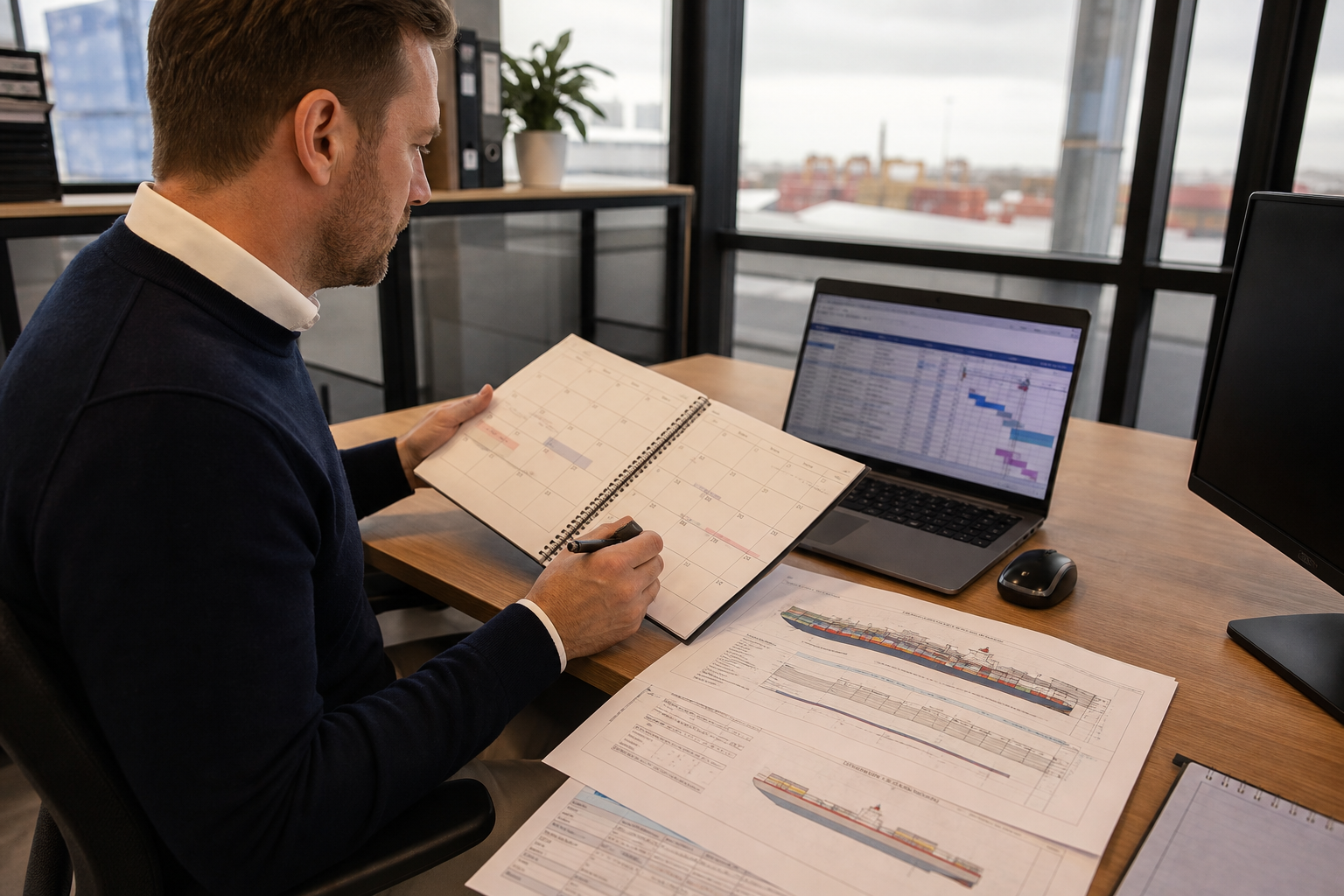
Smart planning can significantly reduce your exposure to peak season disruption and cost increases:
1. Order Early, Ship Early
Place production orders with Chinese suppliers 1-2 months earlier than usual. Aim to have goods ready for shipping at least 6-8 weeks before CNY. This gets your cargo onto vessels before the worst of the surge and at lower rates.
2. Build Safety Stock
Identify your critical SKUs and bring forward orders to build buffer stock that covers the 4-6 week gap when new supply won't be available. Calculate your cover requirements based on realistic post-CNY restart timelines, not optimistic factory promises.
3. Confirm Bookings Early
Work with your freight forwarder to secure vessel bookings as early as possible. At LEVAO, we start booking CNY-period cargo 8-10 weeks out to lock in space and avoid rolled containers.
4. Consider Alternative Routes
If your goods can be sourced from non-CNY-affected countries (Vietnam's Tet is usually the same week, but Thailand, Malaysia, and Indonesia are less impacted), diversifying supply chains can provide a buffer.
5. Use Air Freight Strategically
For high-value or urgent items, budget for air freight as a backup. Pre-book air cargo capacity for your most critical lines rather than paying emergency rates at the last minute.
How LEVAO Supports You Through Peak Season
We proactively manage the CNY period for our clients. Starting in October/November each year, we contact regular shippers to discuss their Q1 requirements, advise on booking timelines, and begin securing vessel allocations. During the peak surge, our carrier relationships and advance planning mean our clients experience fewer rolled bookings and better rate stability than those scrambling at the last minute.
We also coordinate with suppliers at origin to ensure cargo is ready on time, documentation is prepared early, and container pickups are booked before trucking capacity tightens in the final pre-CNY rush.